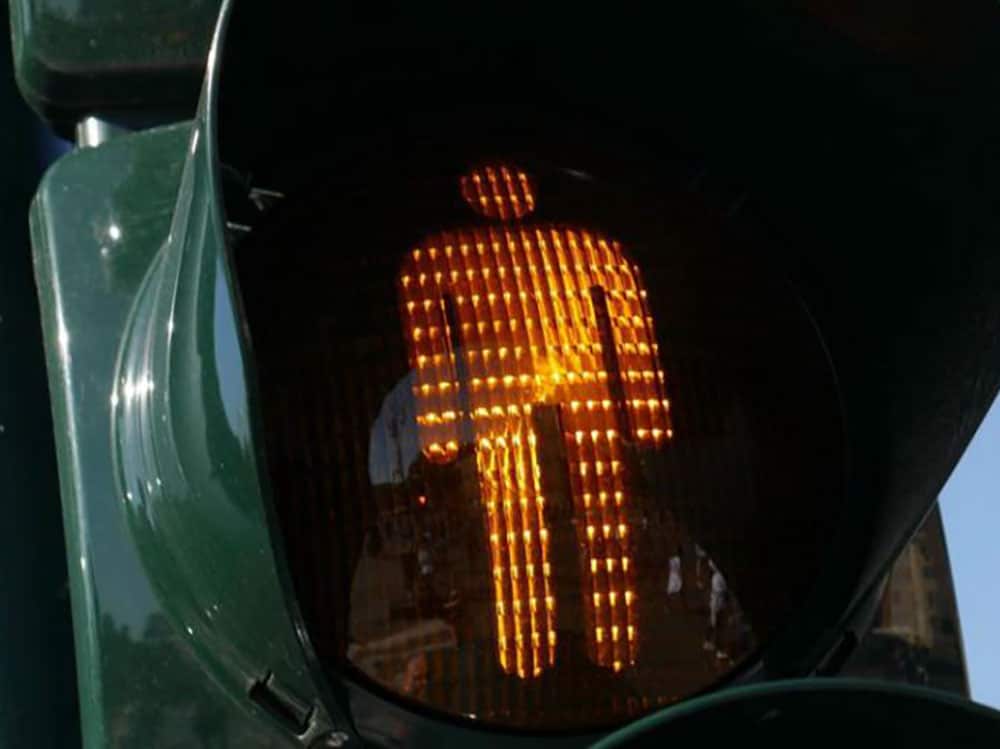
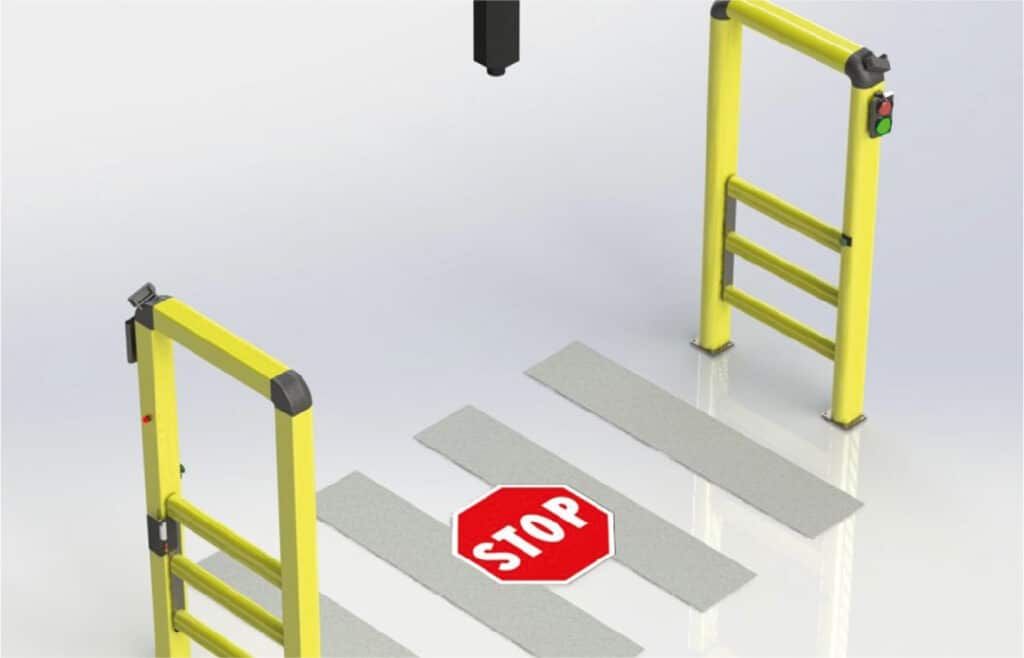
Active safety at work: light and acoustic signal for safety at work.
Have you ever stopped to think about the importance of light and acoustic signals in workplace safety, and how do you think active safety systems benefit your workplace? In this article, we tell you what these signals are, the types of active signaling available, the legislation in force and the benefits they provide.
What are the acoustic and luminous safety signals?
Light and sound signals are devices designed to alert workers to potential hazards in the work environment. These active safety systems can vary in shape, color and sound, but their purpose is always the same: to warn and protect. In industrial environments, where safety is a priority, these signals are essential to prevent accidents and injuries. From flashing lights to shrill sirens, each signal serves a specific function in communicating hazards.
Types of active signaling that exist in work safety
Flashing lights: Used to indicate hazardous areas or emergencies. Their flashing attracts the attention of workers, alerting them to potential hazards.
Sirens and alarms: Emit audible sounds that alert to emergency situations, such as fires, gas leaks or evacuations.
Warning light signals: Brightly colored lights that indicate caution or danger. They may be static or flashing, depending on the level of urgency.
Luminous floor markings: Lights installed on the floor to delimit safe areas or evacuation routes in case of emergency.
Summary of current legislation.
–R.D. 485/1997 (BOE 23.4.97) establishing the minimum provisions for health and safety signaling in the workplace. (Annex IV.2. Characteristics and requirements for the use of acoustic signals.
-UNE-EN ISO 7731:2008 Ergonomics. Danger signs for public places and workplaces. Acoustic danger signals (ISO 7731:2003).
-StandardUNE-EN-61310-1 Safety of machinery marking and maneuvering indication, which establishes a coding of audible information signals, related to safety or others by means of intensity, duration, timbre, frequency of repetition of pulses, etc. -StandardUNE-EN-981 Safety of machinery: audible and visual danger and information signal systems, which establishes the main requirements and design parameters for the coding of audible danger and alarm signals. –
R.D. 485/1997 (BOE 23.4.97) establishing the minimum provisions for health and safety signaling in the workplace. (Annex IV.1. Characteristics and requirements for light signals.
–Standard UNE-EN ISO 7010:2020. Graphic symbols. Colors and safety signs. Registered safety signs (ISO7010:2019, corrected version 2020-06)( Ratified by AENOS in May 2020).
Benefits of the use of the luminous and acoustic signal for safety at work.
Proper implementation of active safety systems in the workplace brings a number of benefits to both employers and employees:
Accident prevention: By alerting to potential hazards, signs help prevent accidents and injuries in the workplace.
Improved communication: Clear and effective signage facilitates communication of safety hazards and procedures among workers.
Regulatory compliance: The use of appropriate signs ensures compliance with occupational safety regulations, avoiding penalties and fines.
Safe work environment: By promoting a culture of safety, signs contribute to creating a safe and secure work environment for all employees.
In conclusion, luminous and acoustic signals in workplace safety are essential tools to protect lives and prevent accidents. Their proper implementation not only complies with current regulations, but also promotes a safe and productive work environment for everyone.
Frequently Asked Questions.
1. How can light and acoustic signals be optimized to improve safety at work?
They can be optimized by placing signs in strategic locations, ensuring that they are clearly visible and audible to all workers, and maintaining them regularly to ensure their proper functioning.
2. What is the difference between active and passive signaling?
Active signage, such as lights and alarms, requires action by the observer, while passive signage, such as traffic signs, is static and does not require immediate action.
3. How do you choose the right signs for a specific work environment?
The selection of the right signs depends on factors such as the type of industry, the hazards present in the workplace and the applicable safety regulations. At safeway360 we have a complete catalog of active safety systems, we list the best sellers: -Safedoor
-Safecross safety kit: Safecross
-Safety and operations control: Safeoperations
-Safeline
-LED sign and/or logo projectors
If you want to maximize security in the warehouse , contact us now and we will advise you without obligation.