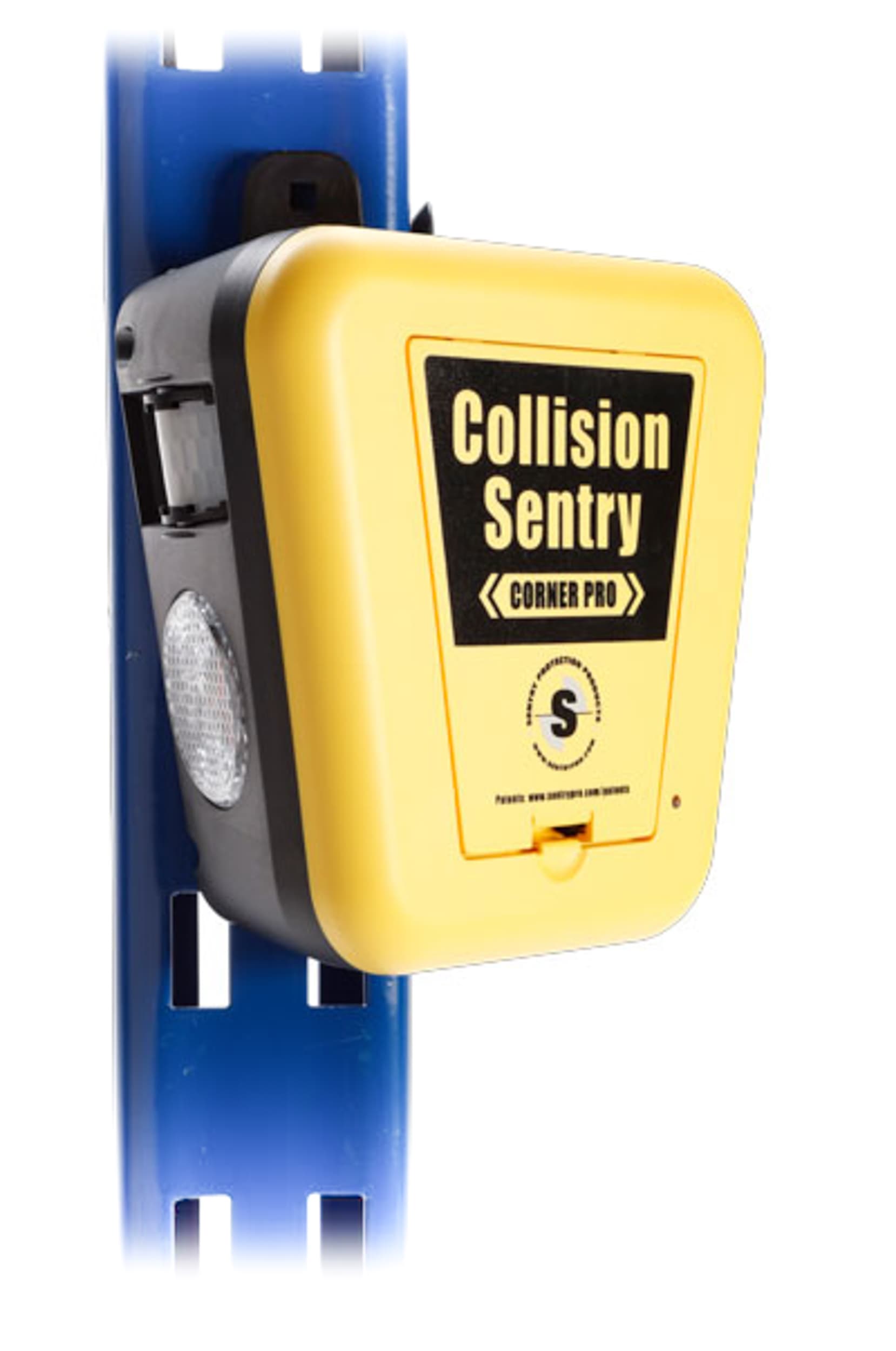
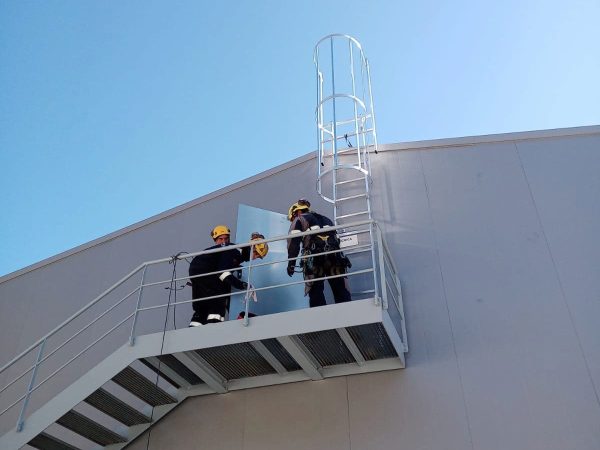
Have you ever wondered how audible signals play a huge role in industrial safety? From factories or warehouses to offices, these signals play a vital role in communicating emergencies and coordinating work activities.
Acoustic Signals in Work Environments.
Acoustic signals, also known as audible alarms, are devices designed to transmit audible messages clearly and quickly. In work environments, these signals can range from industrial sirens to electronic horns, thus contributing to the creation of a safe and efficient work environment.
Characteristics and Requirements for the Use of Acoustic Signals.
To ensure the effectiveness of audible signals, it is essential to understand their characteristics and usage requirements. These devices must be audible throughout the work area, which involves considering factors such as ambient noise level and strategic placement of the devices. Sound clarity, durability and resistance to adverse conditions are key aspects to consider when selecting acoustic signals. Two acoustic signals should not be used simultaneously.
Some recommendations to follow in the design of audible signals:
It is recommended to exceed the ambient background noise level by 15 dB.
Startle situations, a reaction that occurs if the sound level rises more than 30dB in 0.5s, should be avoided.
When ambient noise exceeds 110 dB, other signals, e.g. light signals, are recommended in addition to acoustic signals.
The coding and characteristics of audible information, warning, danger and alarm signals are indicated in standards UNE-EN 61310-1 and UNE-EN 981. The audibility requirements of these signals are indicated in the UNE-EN 457 standard.
Types and Applications of Audible Signals in Emergency Situations.
In emergency situations, speed and clarity are crucial. Acoustic signals are divided into different types: from flashing tones to pre-recorded messages. These devices find application in evacuations, security alerts and response team coordination. Their versatility makes them indispensable allies in mitigating risks and minimizing reaction time in critical situations.
Legal and Regulatory References.
–R.D. 485/1997 (BOE 23.4.97) establishing the minimum provisions for health and safety signaling in the workplace. (Annex IV.2. Characteristics and requirements for the use of acoustic signals.
-UNE-EN ISO 7731:2008 Ergonomics. Danger signs for public places and workplaces – Acoustic danger signs (ISO 7731:2003). Acoustic danger signals (ISO 7731:2003).
-StandardUNE-EN-61310-1 Safety of machinery marking and maneuvering indication, which establishes a coding of audible information signals, related to safety or others by means of intensity, duration, timbre, frequency of repetition of pulses, etc. -StandardUNE-EN-981 Safety of machinery: audible and visual danger and information signal systems, which establishes the main requirements and design parameters for the coding of audible danger and alarm signals.
Frequently Asked Questions:
1. What is the importance of regular testing of acoustic signals?
Periodic testing ensures that the devices are in optimal working order, guaranteeing an effective response in emergency situations.
2. How do you choose the right acoustic signal for a specific work environment?
The choice depends on the ambient noise level, the size of the work area and specific safety requirements. It is crucial to consider these factors when selecting acoustic signals.
3. Are there international standards for the manufacture of acoustic signals?
Yes, there are international standards that establish quality and safety requirements for the manufacture of acoustic signals. Compliance with these standards guarantees the reliability and effectiveness of the devices. In short, given the importance of this type of signals, and the due compliance with the regulations regarding safety and signaling at work, do not put your workers at risk, and make your workplace a safe place. Contact us and we will tell you how.